
What Is a Chronograph Watch? Everything You Need to Know
A chronograph watch is one of the most iconic and versatile complications in watchmaking, combining an everyday timepiece with a built-in stopwatch function. Whether you're drawn to the sport-inspired aesthetics or the mechanical ingenuity behind the pusher buttons, the chronograph has earned its place as a staple of any serious watch collection. Exploring for the next Chronograph watch? Check our our Best Chronograph Watches under $5000.

The Chronograph Explained: Origins and Mechanics
The History Behind the Complication
The word "chronograph" comes from the Greek words chronos (time) and graphos (writer), and it was originally designed to mark time on paper with a small ink dot. Louis Moinet is widely credited with creating the first chronograph in 1816, though it was Nicolas Mathieu Rieussec who patented a related mechanism in 1821 and brought it to wider attention.
The function remained largely the domain of science and horse racing timing for much of the 19th century. It wasn't until the 20th century that the chronograph found its way onto the wrist and into mainstream watchmaking culture.
How a Chronograph Works
At its core, a chronograph is a watch with a separate, independent seconds-tracking mechanism layered on top of the standard timekeeping movement. The pusher buttons on the case sides control three actions: start, stop, and reset.
Most chronographs display elapsed time across two or three sub-dials, typically measuring seconds, minutes, and sometimes hours. The central chronograph seconds hand sweeps from a standstill the moment you press start, making precise timing a simple, tactile experience.
Column Wheel vs Cam-and-Lever
There are two primary mechanisms used to control a chronograph: the column wheel and the cam-and-lever system. The column wheel is considered the more refined option, offering smoother pusher action and a satisfying click. It is more complex and costly to produce, which is why it tends to appear in higher-end movements.
The cam-and-lever system is a more economical solution, common across mid-range watches. While functional and reliable, the pusher engagement tends to feel slightly less precise. Understanding this distinction is useful for anyone learning the chronograph meaning in a collector context.
Chronograph Complications, Styles and Movements
Beyond the Basics: Variations on the Chronograph
Once you understand what a standard chronograph does, a whole world of more complex variations opens up. These additional functions are where watchmaking ingenuity really shines, and where the chronograph has evolved from a timing tool into a canvas for horological artistry.
The Flyback Chronograph
A flyback chronograph allows the wearer to reset and restart timing with a single push of a button, rather than the three separate actions required on a standard chronograph. This was originally developed for aviation and military use, where split-second re-timing could be operationally critical.
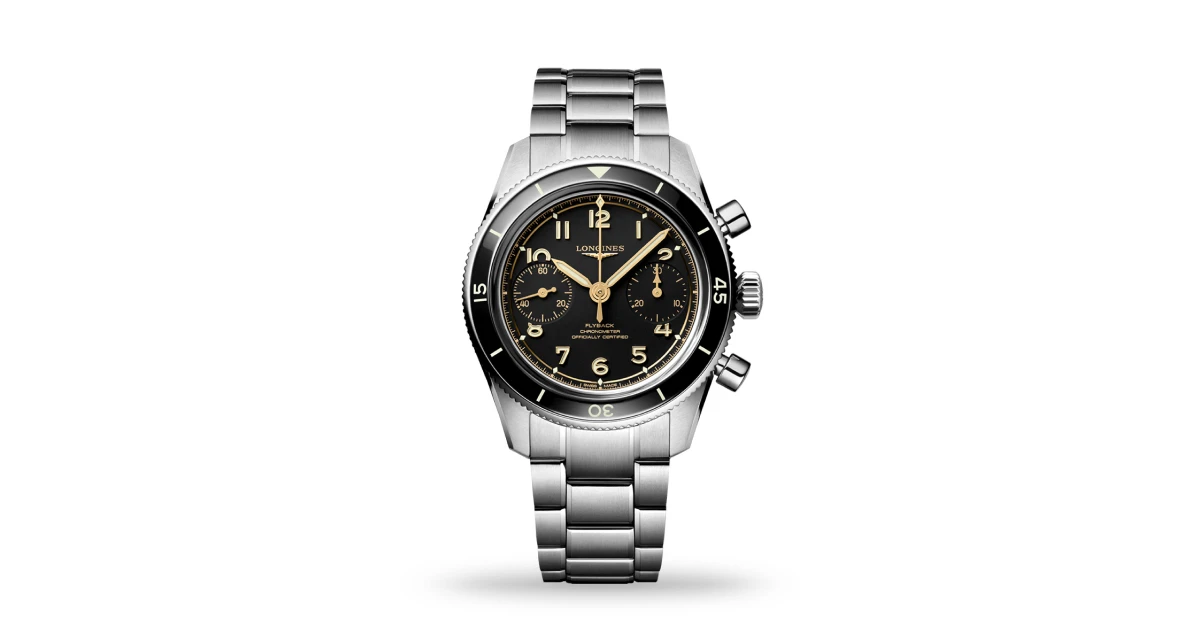
Pilots, navigators, and racing drivers found the flyback particularly valuable. Today it remains a sought-after complication in professional tool watches and high-end sport pieces.
The Split-Seconds (Rattrapante) Chronograph
The rattrapante, or split-seconds chronograph, uses two stacked central seconds hands that can be separated and rejoined independently. This allows a watchmaker to time two simultaneous events with a single instrument, comparing lap times or recording intermediate measurements with the press of a single additional pusher.

The rattrapante is among the most mechanically demanding of all watch complications, and examples from top maisons command significant premiums at auction.
Automatic vs Manual-Wind Chronograph Movements
Chronograph movements come in both manual-wind and automatic variants, and the choice affects both wearability and collector appeal. Manual-wind movements tend to be thinner and more traditional, while automatic movements are more practical for everyday wear.
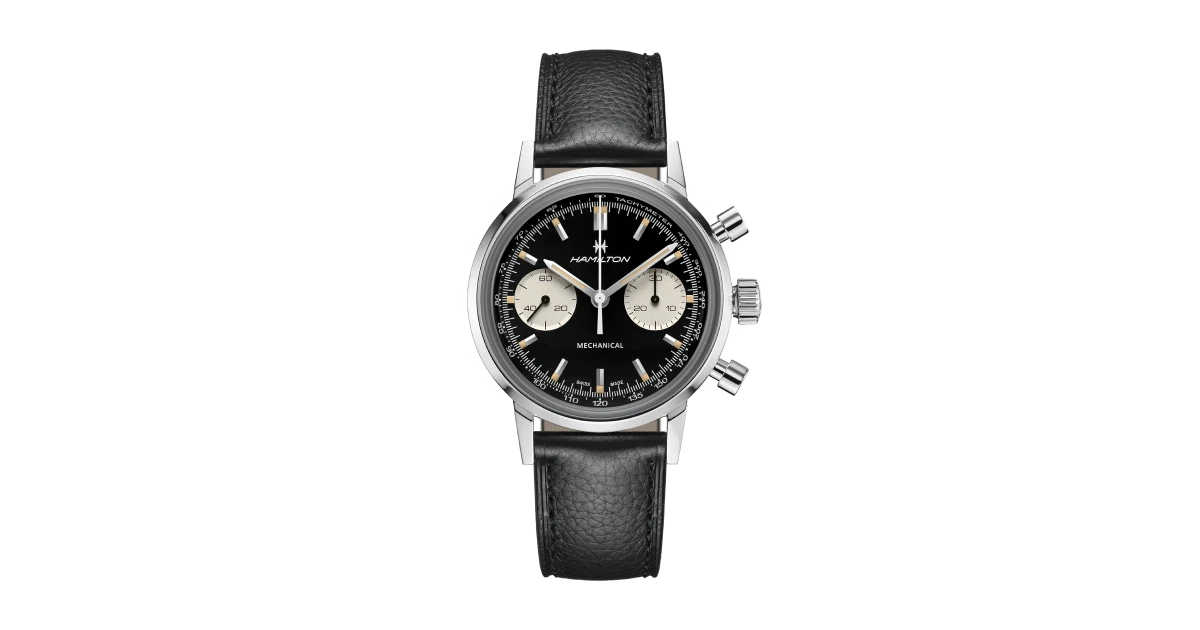
The Valjoux 7750 is one of the most widely used automatic chronograph calibres ever made, found in everything from entry-level sport watches to respected Swiss mid-range pieces. At the other end of the spectrum, in-house calibres from brands like Patek Philippe, Rolex, and A. Lange and Söhne are among the most revered in the hobby.
Chronograph Watches in Australia: What You Need to Know Before You Buy
Buying a Chronograph in the Australian Market
Australia has one of the most engaged and knowledgeable watch communities in the Asia-Pacific region, and the local market for chronograph watches reflects that appetite well. Whether you're shopping at an authorised retailer in Sydney or Melbourne, or sourcing through the grey market, there are a few key considerations specific to Australian buyers.
Price and Availability
The Australian dollar introduces a real pricing dynamic for watch buyers. Most Swiss chronographs are priced in AUD at or above international retail equivalents, and the fluctuation of the local currency against the Swiss franc can shift pricing meaningfully over time. Grey market pricing can offer savings, but warranty coverage and authorised servicing options should be factored into any purchase decision.
Brands like TAG Heuer, Omega, and Breitling maintain strong authorised dealer networks across major Australian cities, making service and support relatively accessible. For rarer pieces or independent brands, buyers may need to rely on international servicing or send watches overseas.
Investment Considerations for Chronograph Watches
Not all chronograph watches hold their value equally. Sport chronographs with strong brand heritage, limited production numbers, or connections to motorsport, aviation, or military history have historically performed well on the secondary market.
Key factors to consider when buying a chronograph for value retention:
Heritage and provenance: Pieces tied to a verified historical event or programme carry a premium
Movement quality: In-house calibres generally command stronger resale prices than ébauche-based movements
Condition and completeness: Full set (box, papers, correct bracelet or strap) is essential for strong secondary market performance
Production numbers: Limited or discontinued references attract collector attention over time
Brand recognition: In the Australian resale market, Rolex, Omega, Patek Philippe, and TAG Heuer are the most liquid brands
Understanding what a chronograph watch is, and which complications and configurations align with your collecting goals, is the foundation for making smart decisions in any market.
Discover Watch Knowledge
Chronograph Watch FAQs
The word chronograph comes from the Greek terms for "time" and "writer." It originally referred to a device that recorded time by marking a small ink dot on a rotating disc. Today, the term describes any watch that incorporates a built-in stopwatch function alongside standard timekeeping. The chronograph meaning in modern watchmaking refers specifically to a complication that can start, stop, and reset an elapsed time measurement independently of the main movement.
Using a chronograph is straightforward. The two pushers on the case side control the function. Press the top pusher to start the chronograph seconds hand. Press it again to stop timing. Press the bottom pusher to reset everything back to zero. Some watches combine reset and restart into a single action, which is known as a flyback. The elapsed time is displayed across the sub-dials, typically showing seconds, minutes, and sometimes hours.
These two terms are frequently confused but refer to entirely different things. A chronograph is a function, specifically the stopwatch complication found on certain watches. A chronometer is a certification of accuracy, awarded by COSC (the Official Swiss Chronometer Testing Institute) to movements that pass a rigorous series of precision tests across multiple positions and temperatures. A watch can be both a chronograph and a chronometer, or it can be one without the other.
Yes, many chronograph watches are well suited to daily wear. Automatic chronographs in particular require no manual winding and are designed to handle regular use. The additional pushers and sub-dials do add a degree of complexity to the dial, which some wearers find busy under formal attire. Sport chronographs, such as those with a tachymeter bezel, tend to be more casual in character. Dress chronographs with clean dials and slim profiles can work well in professional settings.
Some chronograph watches hold or increase their value over time, particularly those from recognised luxury brands with strong heritage, limited production, or documented connections to motorsport or aviation. Models from Rolex, Patek Philippe, and Omega have historically performed well on the secondary market. However, not every chronograph is a strong investment. Condition, completeness (box and papers), and provenance all play a significant role in secondary market performance. Buyers in Australia should research resale values before purchasing.