
The Best Watches That Hold Their Value Over Time
Not every luxury watch is a smart financial move, but some timepieces have proven remarkably resilient on the secondary market. Whether you're buying for passion, prestige, or long-term value, knowing which brands and models retain their worth is essential. This guide covers the watches that consistently perform when it matters most.
Why Some Watches Hold Their Value Better Than Others
Not all watches are created equal when it comes to value retention. A handful of key factors separate timepieces that depreciate rapidly from those that trade at or above retail on the secondary market.
Brand heritage is one of the most powerful drivers. Houses like Rolex, Patek Philippe, and Audemars Piguet have spent decades, in some cases over a century, building reputations for craftsmanship, exclusivity, and desirability. Rolex, founded in 1905, is the clearest example of a brand whose secondary market consistently defies the conventional wisdom that luxury goods lose value the moment they leave the shop.
Supply and demand dynamics play an equally critical role. When authorised dealers cannot keep up with demand, the grey market fills the gap at a premium. This is the core reason that models like the Rolex Submariner and the Audemars Piguet Royal Oak command prices well above retail when you find them in the wild.
What Drives Watch Value Retention
Condition and provenance matter enormously in this market. A watch with its original box, papers, and service history will almost always outperform a naked piece at auction or on the resale market. Collectors and buyers place a significant premium on completeness.
Movement quality is another factor that separates the contenders from the rest. In-house mechanical movements, particularly those with a long track record of accuracy and reliability, signal a manufacturer's commitment to genuine horological craft. This is something quartz or entry-level automatics simply cannot replicate at the same level of collector interest.
Finally, limited production and scarcity drive secondary market prices upward over time. Whether it is a discontinued reference, a special edition, or a model with an unexpectedly short production run, rarity is the ingredient that transforms a fine watch into a genuine store of value.
The Top Watches That Consistently Hold Their Value
Certain references have earned their reputation as the strongest performers when it comes to watches that hold value. These are the models that serious collectors, grey market dealers, and first-time buyers alike keep coming back to.
Rolex Submariner
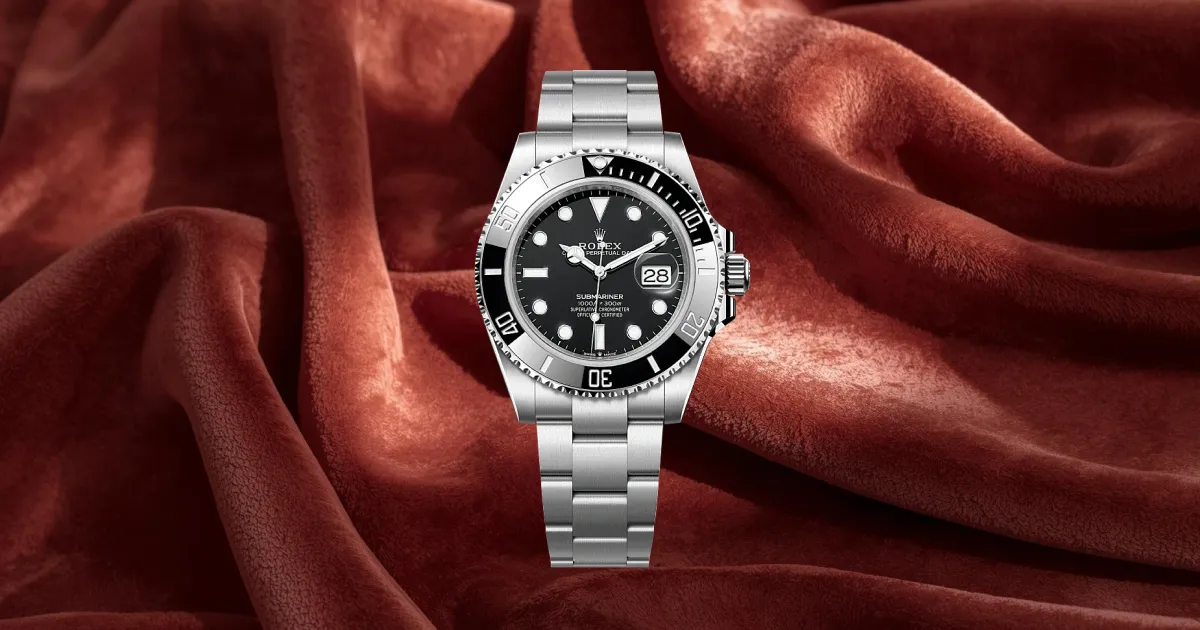
The Submariner is arguably the most recognised luxury sports watch in the world, first introduced in 1953 as a professional diver's tool watch. Its clean, functional design has remained largely unchanged, which is precisely part of its appeal. The combination of iconic status, broad desirability, and controlled supply makes it one of the most consistent performers on the resale market.
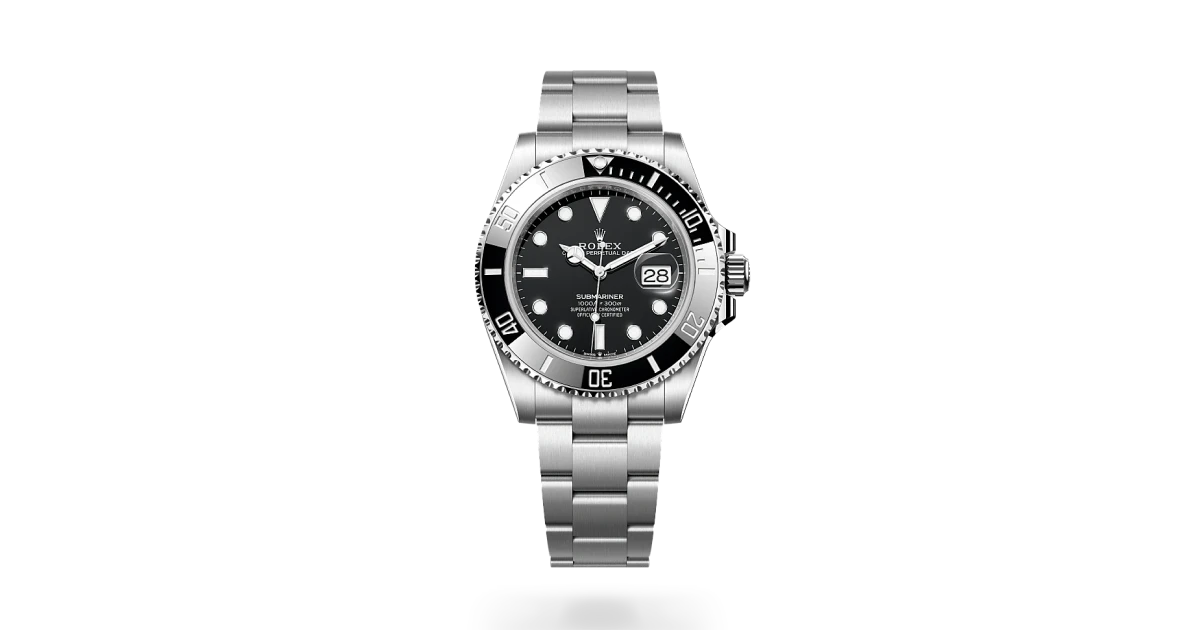
Waiting lists at authorised dealers remain long in most markets, including Australia, which pushes grey market premiums higher. A well-kept Submariner with box and papers routinely changes hands above its retail price, making it a benchmark piece for anyone entering the world of watch collecting.
Patek Philippe Nautilus
The Nautilus, designed by Gerald Genta and launched in 1976, redefined what a luxury sports watch could be. Its integrated bracelet and distinctive porthole-inspired case shape have made it one of the most coveted references in fine watchmaking. Patek Philippe's decision to discontinue the reference 5711 in 2021 sent secondary market prices into extraordinary territory.
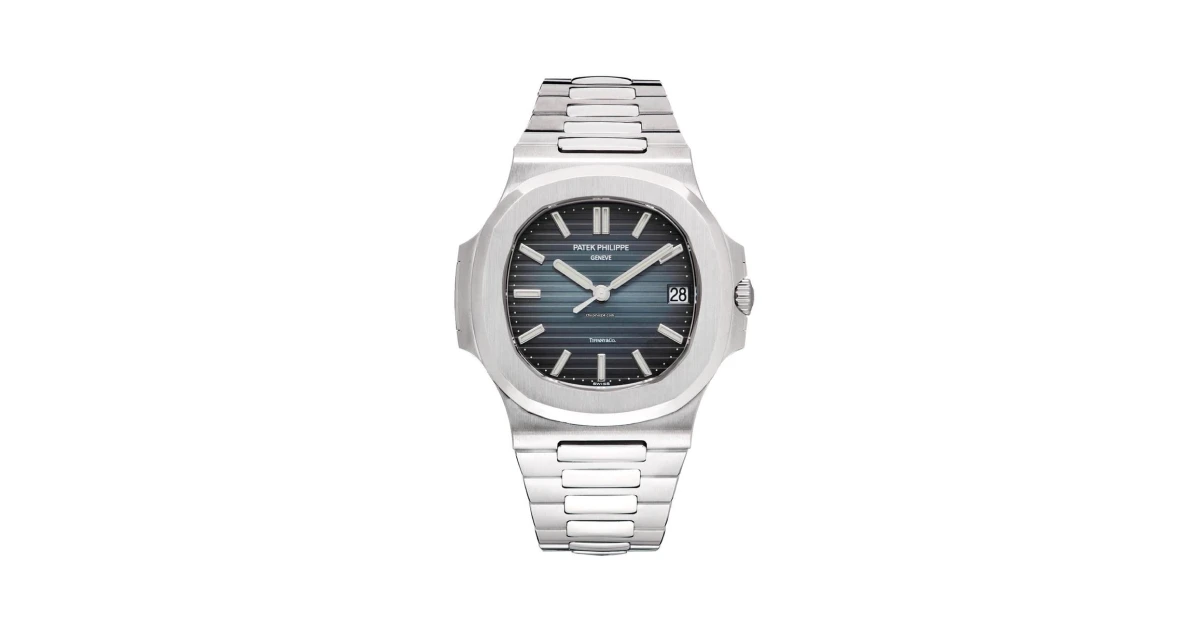
Even standard production Nautilus references hold their value exceptionally well. For collectors seeking investment watches with genuine long-term credentials, the Nautilus sits at or near the top of almost every serious list.
Audemars Piguet Royal Oak
Also designed by Gerald Genta and introduced in 1972, the Royal Oak was controversial at launch for its stainless steel construction at a luxury price point. Today, it is one of the most desired watches in the world. Its octagonal bezel, exposed screws, and "Grande Tapisserie" dial are instantly recognisable.
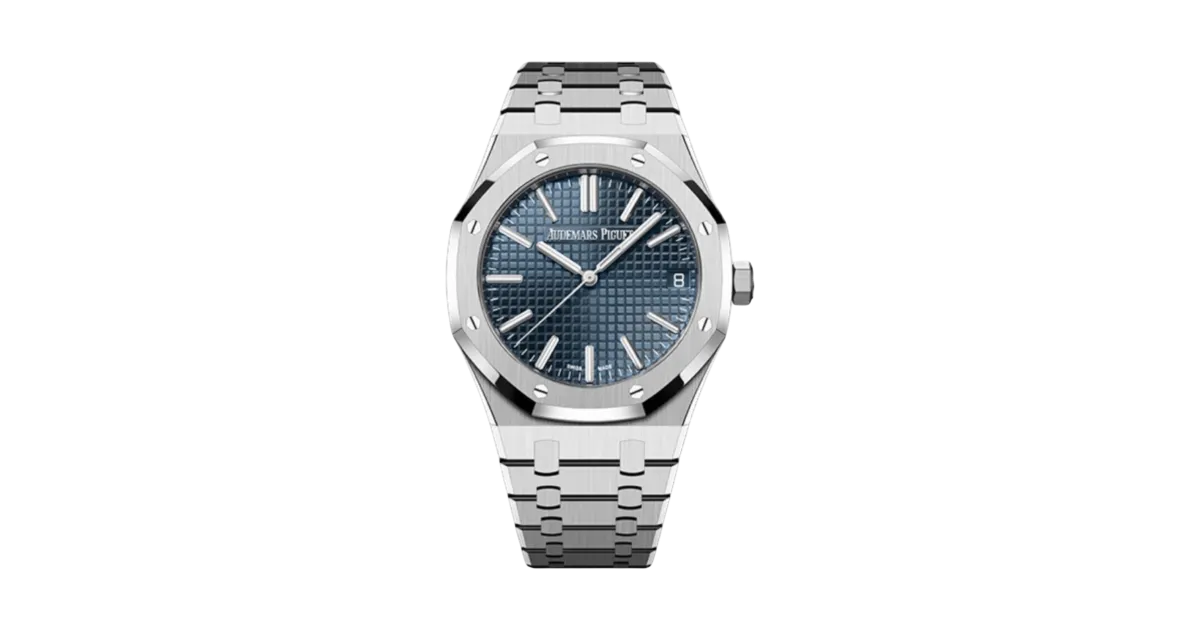
The Royal Oak's limited production relative to demand ensures that secondary market prices remain firm. Entry-level references routinely trade at or above retail, while rarer iterations can command significant multiples of their original price.
Rolex Daytona
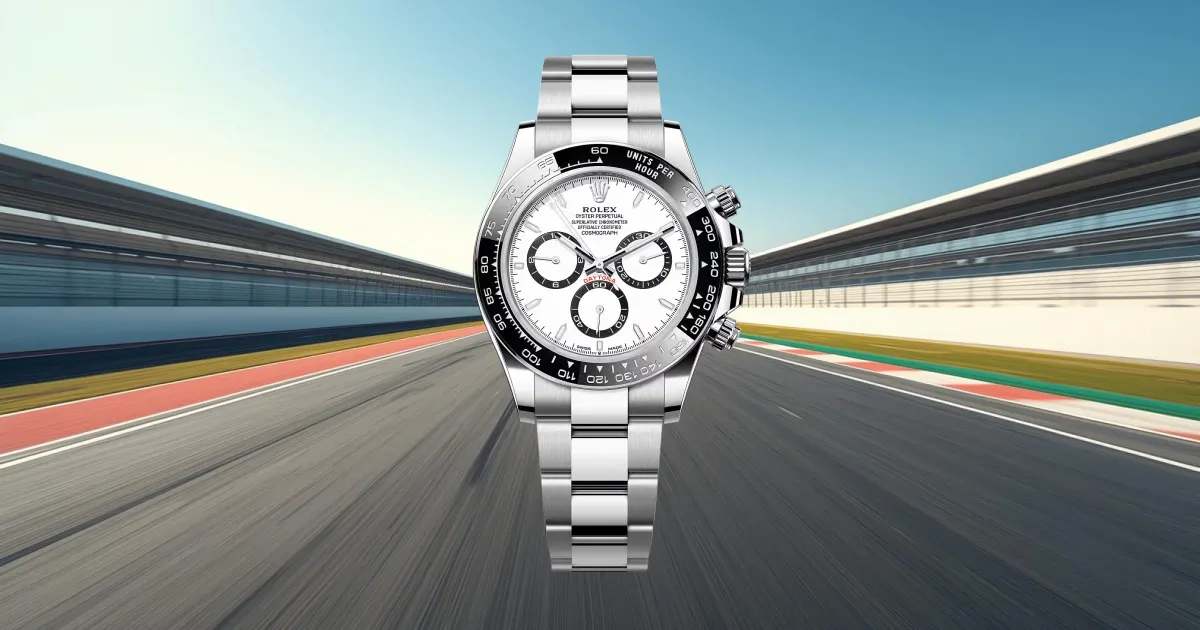
The Daytona has one of the most celebrated histories of any watch reference, with early Paul Newman-signed examples fetching record-breaking sums at auction. The modern Daytona in stainless steel with a ceramic bezel remains one of the hardest watches to source at retail, anywhere in the world.
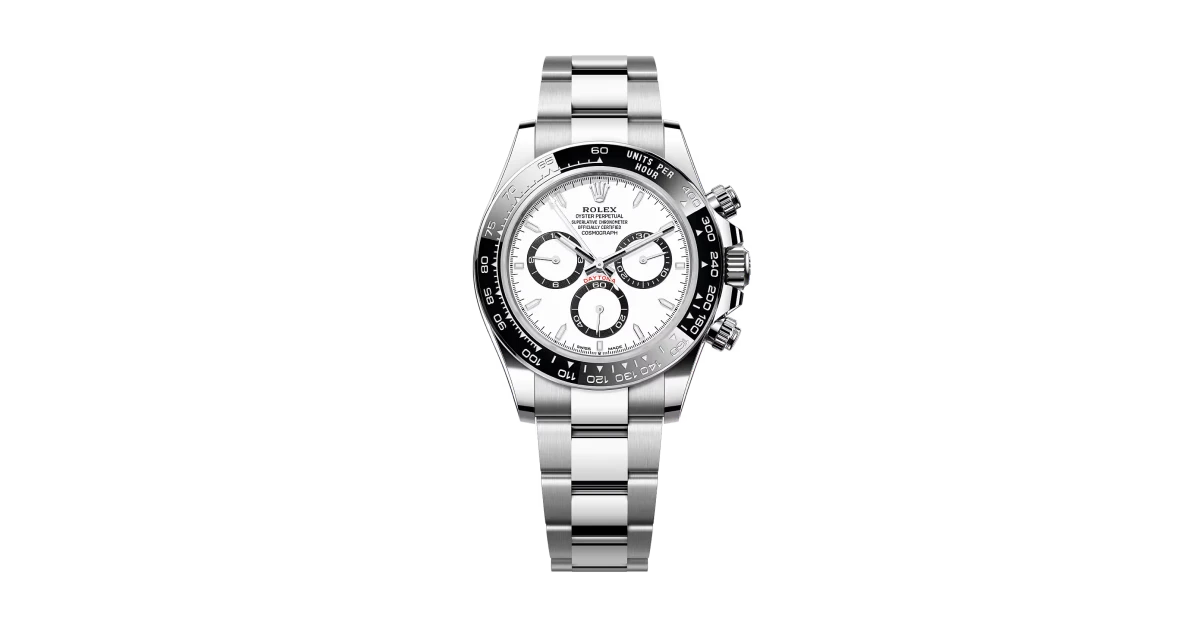
Its motorsport heritage, association with Paul Newman, and near-impossible availability at authorised dealers make the Daytona a perennial favourite for collectors focused on resale watches with a strong value story.
Buying Watches That Hold Value in the Australian Market
Australia has developed a sophisticated and active market for pre-owned and resale luxury watches. Major cities, particularly Sydney and Melbourne, are home to a growing number of specialist dealers, grey market sellers, and auction houses that cater to watch collectors at every level.
The Australian dollar adds a layer of complexity for local buyers. Because most watch pricing originates in Swiss francs or euros, currency fluctuations can affect the relative value of a purchase over time. Buying during periods of Australian dollar strength can improve the long-term value proposition considerably.
Australian buyers also have access to global platforms and auction houses, which opens up the full international market. Heritage auction houses operating locally, including Mossgreen and Bonhams Australia, have handled significant watch sales and offer a credible path for both buying and selling high-value timepieces.
When assessing which watches are worth pursuing in Australia right now, the following considerations are especially relevant:
Authorised dealer access: Rolex, Patek Philippe, and Audemars Piguet all have authorised dealer networks in Australia, but stock of high-demand references remains limited. Building a relationship with your local AD is still the most reliable path to retail pricing.
Grey market premiums: For the most sought-after references, Australian grey market prices mirror global trends. Expect to pay above retail for a stainless steel Daytona or a Royal Oak without a waitlist.
Documentation and servicing: Australian buyers should insist on full box and papers, and factor in local servicing costs. Rolex and AP both have service centres in Australia, which supports long-term ownership.
Import and GST considerations: Purchasing privately from overseas may trigger GST and import duties, which affects the total landed cost and resale price.
Resale channels: Platforms like Chrono24, WatchBox, and local specialist dealers offer competitive options for both buying and selling. Australian-specific Facebook groups and communities have also grown significantly as trusted peer-to-peer channels.
For anyone serious about building a collection with genuine value retention, the Australian market offers real opportunity, provided you buy the right references in excellent condition with complete documentation.

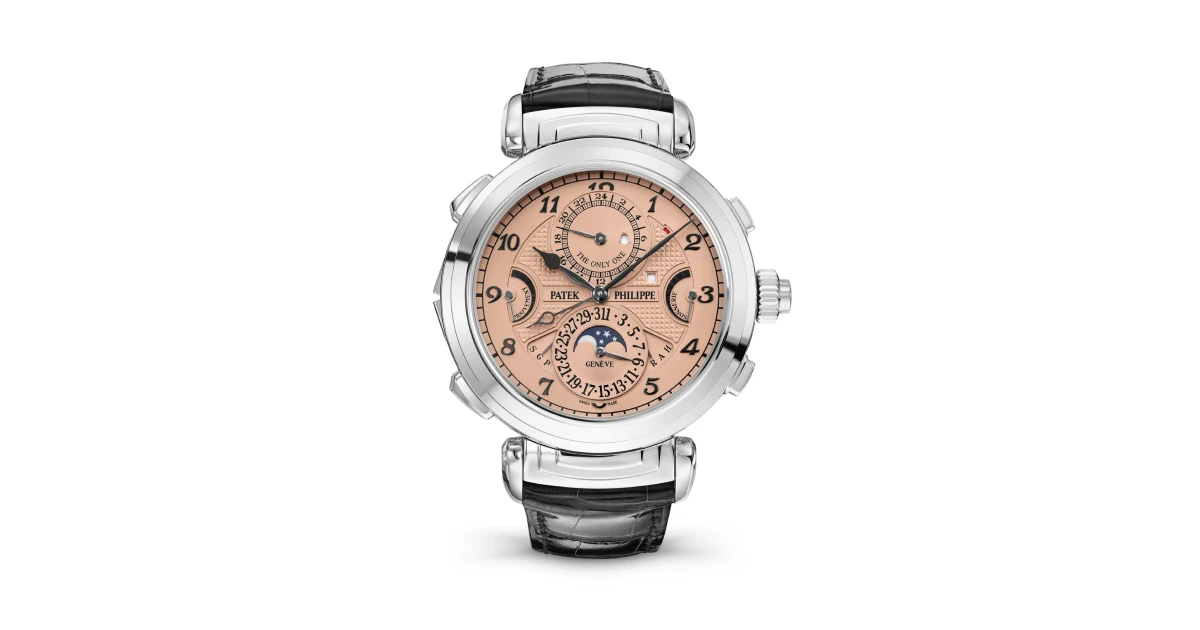
Discover High-Value Timepieces
Best Watches That Hold Their Value FAQs
Rolex is widely regarded as the brand with the strongest overall value retention across its range. Models like the Submariner and Daytona consistently trade at or above retail on the secondary market. Patek Philippe follows closely, particularly with the Nautilus and Calatrava references, which appeal to serious collectors worldwide. Both brands combine heritage, controlled supply, and enduring demand to deliver exceptional resale performance.
Some luxury watches have outperformed traditional assets over certain periods, but this is not guaranteed across the board. Only a small number of references from brands like Rolex, Patek Philippe, and Audemars Piguet have demonstrated consistent secondary market strength. Most watches, including many from respected Swiss houses, will depreciate over time. Treating a watch purchase purely as a financial investment carries risk, and it is best approached with a genuine passion for horology alongside any financial consideration.
Yes, significantly. A complete set with original box, papers, and service history can add a meaningful premium to the resale price of a luxury watch. Buyers and collectors place high importance on provenance, and a "naked" watch without documentation will almost always sell for less than a complete example in equivalent condition. For the most in-demand references, the difference can be substantial. It is worth storing all documentation carefully from the moment of purchase.
Buying pre-owned can be an excellent strategy, particularly for references that trade above retail at authorised dealers. Purchasing a pre-owned example in excellent condition, with box and papers, often provides immediate access to a watch that would otherwise require a lengthy waitlist. It can also represent better value than paying a significant grey market premium for a new piece. Always buy from a reputable dealer and have the watch independently verified if purchasing privately.
Australian buyers should be aware that import duties and GST may apply when purchasing from overseas, which affects the total cost and potential resale margin. Locally, specialist dealers in Sydney and Melbourne offer a solid range of pre-owned references, and building a relationship with an authorised dealer remains one of the best ways to access high-demand pieces at retail. Always check that servicing and warranty support are available in Australia before committing, particularly for watches requiring specialist movement work.