
Seiko vs Citizen: The Ultimate Japanese Watch Brand Comparison
When it comes to Japanese watchmaking, two names have dominated the conversation for decades: Seiko and Citizen. Both brands have built extraordinary reputations for precision, innovation, and value, making them perennial favourites among collectors and everyday wearers alike. Choosing between them is genuinely difficult, and the right answer often depends on what you value most in a watch.
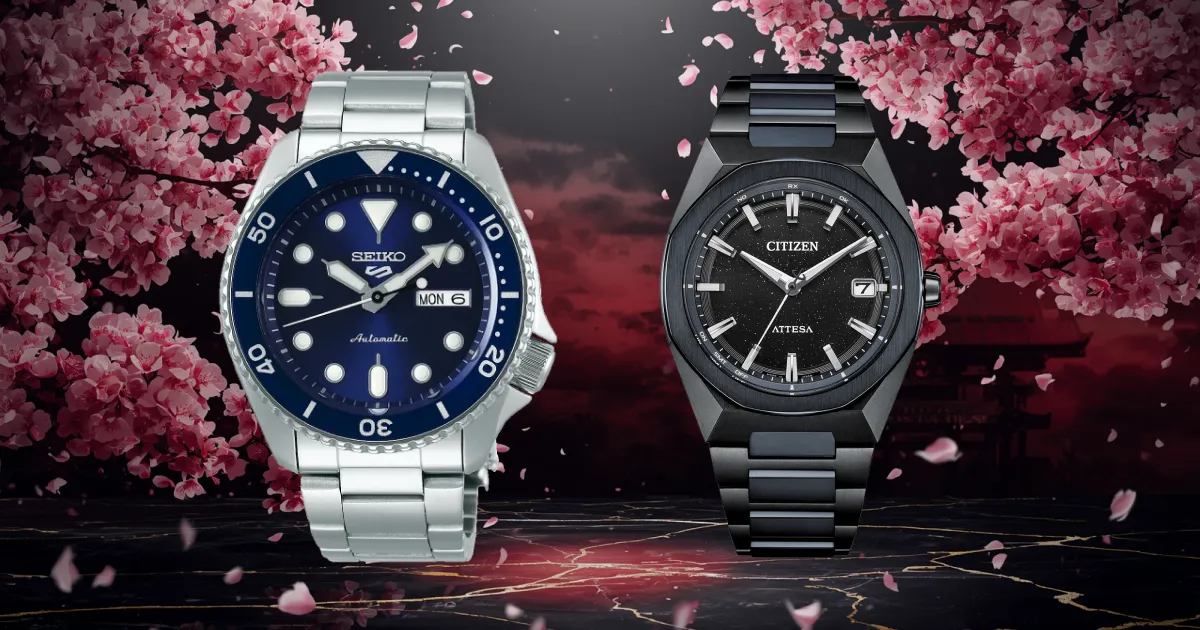
Heritage, History and Brand Identity
Seiko was founded in Tokyo in 1881 by Kintaro Hattori, initially as a watch and clock retailer before evolving into one of the world's most vertically integrated watchmakers. The brand's milestone moments include the release of the world's first quartz watch, the Astron, in 1969, a move that fundamentally changed the global watch industry. Seiko's identity has always been rooted in horological ambition, pushing boundaries across both affordable and high-end segments.
Citizen was established in 1918 and launched its first pocket watch under the Citizen name in 1924, with the goal of making quality timepieces accessible to ordinary people. The name itself was chosen to reflect a watch "friendly to citizens," a philosophy the brand has maintained throughout its long history. Over the decades, Citizen has become synonymous with light-powered Eco-Drive technology and a commitment to everyday practicality.
Both brands sit within a broader tradition of Japanese watches that prizes engineering rigour and reliability above all else. Where Seiko has historically leaned into watchmaking prestige, with sub-brands like Grand Seiko and high-beat movements commanding serious collector attention, Citizen has carved out its niche through technological innovation and accessibility.
The two brands also differ in how they've grown internationally. Seiko built a strong identity in professional and sport watch segments, becoming the official timer of multiple Olympic Games. Citizen expanded aggressively into fashion-forward designs and complications aimed at mainstream buyers, partnering with retailers globally to drive volume and awareness.
Understanding these differences in DNA helps clarify which brand might suit your collecting goals or lifestyle priorities right now.
Technology, Movements and Value for Money
One of the most compelling aspects of any Seiko comparison is the sheer range of movement technology on offer. From entry-level quartz to the sophisticated Spring Drive, which combines mechanical and quartz principles for exceptional accuracy, Seiko builds nearly all of its movements in-house. This vertical integration is rare at the price points Seiko operates in, and it gives collectors strong confidence in long-term serviceability and quality control.
Citizen's signature achievement is Eco-Drive, its proprietary light-powered technology that converts any light source into energy to power the watch indefinitely without a battery change. Introduced commercially in 1976, Eco-Drive remains one of the most practical and environmentally considered innovations in modern watchmaking. Citizen has also developed its own atomic timekeeping technology, syncing watches via radio signals for near-perfect accuracy.
When comparing value for money, both brands deliver impressive specifications at accessible price points. A few key distinctions worth noting:
Seiko's mechanical range, particularly the 5 Sports and Prospex lines, offers genuine automatic movements at entry-level prices, making them a favourite for collectors starting out
Citizen's Eco-Drive watches require virtually no maintenance beyond the watch itself, reducing long-term ownership costs significantly
Grand Seiko represents the premium tier of Seiko's offering, with prices and finishing quality that rival Swiss watches costing considerably more
Citizen's Campanola and Attesa lines target the upper end of the Japanese domestic market, though they see less attention internationally
For buyers focused purely on mechanical watchmaking craft, Seiko's in-house movements tend to generate more collector enthusiasm. For those who prioritise low-maintenance reliability and innovative power solutions, Citizen's Eco-Drive technology is genuinely hard to beat at any price point.
Which Brand Makes More Sense for Australian Buyers?
In the Australian market, both Seiko and Citizen enjoy strong retail presence, with authorised dealers found in major cities including Sydney, Melbourne, Brisbane and Perth. Seiko in particular has cultivated a dedicated local following, partly driven by the popularity of its dive watches, which suit Australia's strong surf and outdoor culture. The Seiko Prospex line, including the iconic Turtle and Samurai reissues, consistently ranks among the best-selling watches in Australian specialist watch retailers.
Citizen also performs well locally, with its Eco-Drive range appealing strongly to Australian buyers who spend significant time outdoors and appreciate a watch that keeps working without fuss. The brand's broad availability across department stores and jewellers makes it highly accessible to buyers at all stages of their watch journey.
From a Citizen comparison standpoint, Citizen tends to attract buyers who are newer to watches or who want a reliable, stylish everyday piece without the complexity of servicing a mechanical movement. Seiko, by contrast, draws both casual buyers and committed hobbyists who enjoy exploring the brand's wide range of movements and styles.
For Australian collectors weighing up both options, here are the key considerations:
Budget under $500 AUD: Both brands offer strong options, but Seiko's automatic movements in this range offer greater long-term collector interest
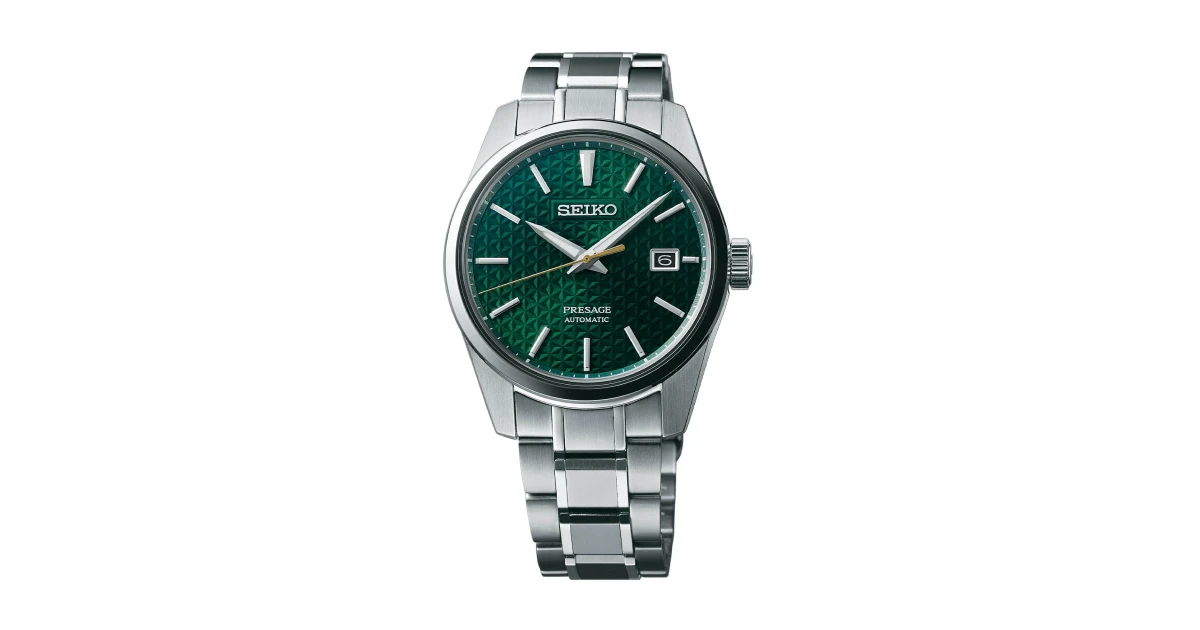
Budget $500-$1,500 AUD: Seiko's mid-tier Prospex and Presage lines shine, while Citizen's higher-end Eco-Drive and radio-controlled models deliver outstanding everyday reliability
Budget above $1,500 AUD: Grand Seiko becomes a serious contender, offering finishing quality that surprises buyers accustomed to Swiss benchmarks at similar prices
Low maintenance priority: Citizen Eco-Drive is the clear winner for buyers who want a set-and-forget experience
Investment and resale value: Seiko, particularly limited edition and discontinued references, tends to hold and occasionally grow in value on the secondary market
Ultimately, neither brand is a poor choice. The decision comes down to whether you prioritise mechanical craft and collector depth, where Seiko leads, or practical innovation and effortless ownership, where Citizen excels.


Watch Comparison Picks
Seiko vs Citizen FAQs
Neither brand is objectively better. Seiko is widely regarded as the stronger choice for collectors interested in mechanical movements, watchmaking heritage and long-term resale value. Citizen edges ahead for buyers who prioritise low-maintenance ownership, thanks to its Eco-Drive light-powered technology. Your lifestyle, budget and priorities will determine which brand suits you best. Many watch enthusiasts own pieces from both brands without feeling the need to choose one over the other.
Both brands have excellent reputations for reliability. Citizen's Eco-Drive watches are often cited as particularly low-maintenance, since they never need a battery replacement and continue running as long as they receive light exposure. Seiko's mechanical watches require periodic servicing, typically every few years for automatic movements, but are built to last decades when properly maintained. For outright trouble-free ownership with minimal intervention, Citizen's quartz and Eco-Drive range has a slight practical edge.
Generally speaking, Seiko watches tend to hold and sometimes appreciate in value more consistently than Citizen, particularly for limited edition, discontinued or iconic references like the Seiko 62MAS reissue or certain Prospex dive models. Grand Seiko pieces have also attracted growing collector interest on the secondary market in recent years. Citizen watches, while high quality, tend to depreciate more quickly and attract less secondary market demand, with some exceptions in the Japanese domestic collector scene.
Seiko and Citizen both offer watches across a wide range of price points, from under $200 AUD to well above $1,000 AUD at retail. At the entry level, prices are broadly comparable. Seiko's range extends significantly higher through Grand Seiko, where prices can reach tens of thousands of dollars. Citizen's premium lines like Campanola are less widely distributed outside Japan, so international buyers often see a narrower upper range compared to Seiko. Both brands offer strong value relative to Swiss alternatives at equivalent price points.
Yes, both Seiko and Citizen are widely available in Australia through authorised dealers, specialist watch retailers and major department stores. Seiko has a particularly strong retail presence, with dedicated boutiques and a broad network of authorised stockists across the country. Citizen is similarly accessible, with Eco-Drive models stocked in many jewellery chains and watch retailers nationwide. Grand Seiko is available through select premium retailers in Australia, though availability is more limited than the broader Seiko range.