
The Best Investment Watches to Build Long-Term Value
Not every luxury watch is created equal when it comes to holding its value. Some timepieces have proven decade after decade that they can outperform traditional asset classes, rewarding patient collectors with both financial returns and the pleasure of wearing something exceptional. This investment watches guide walks you through what to look for, which models consistently rise to the top, and how the Australian market fits into the global picture.
What Makes a Watch a Smart Investment?
Before spending serious money on a timepiece, it pays to understand what separates a watch that holds value from one that depreciates the moment it leaves the boutique. A handful of core factors determine whether a watch will reward you financially over the long term.
Brand Pedigree and Production Control
The most reliable investment watches come from a tight circle of Swiss maisons with long track records and tightly controlled supply. Rolex, Patek Philippe, and Audemars Piguet consistently lead the secondary market because demand for their pieces outpaces what they produce. When a brand deliberately limits how many watches it releases each year, scarcity does much of the investment heavy lifting for you.
Patek Philippe, for example, produces roughly 70,000 watches annually across its entire range. That constraint, combined with the brand's extraordinary reputation for in-house movements, has driven secondary market prices for models like the Nautilus far beyond their original retail tags.
Rarity, Discontinuation, and Historical Significance
Limited production runs and discontinued references are powerful value drivers. When a brand retires a popular reference, collectors who missed it at retail suddenly create a competitive secondary market, pushing prices upward. The Rolex Submariner has benefitted from this pattern repeatedly since its debut in 1953, with older references commanding substantial premiums.
Historical associations also matter enormously. Watches linked to significant events, iconic figures, or cultural milestones carry a story that transcends their mechanical components. That narrative keeps demand alive across generations of collectors, which is exactly what you want from a long-term investment watches strategy.
Condition, Originality, and Documentation
Pristine condition with original parts, factory box, and full paperwork is not just a collector's preference. It is a direct financial multiplier. A watch with all its original components and an unpolished case will consistently sell for more than an identical piece that has been modified or over-serviced. Retaining your service records is equally important, as they demonstrate proper care and authentic provenance to future buyers.
The Top Watches That Hold Value Right Now
Certain references have cemented their reputations as cornerstone pieces for any serious collector or investor. These are the models the secondary market returns to again and again, regardless of broader economic conditions.
Rolex Submariner
The Submariner is the benchmark against which almost every other investment watch is measured. Introduced in 1953 as a professional diving instrument, it has evolved into one of the most recognisable and traded luxury timepieces on the planet. Stainless steel references, particularly those with black or green bezels, command prices well above retail on the secondary market and rarely sit unsold for long.
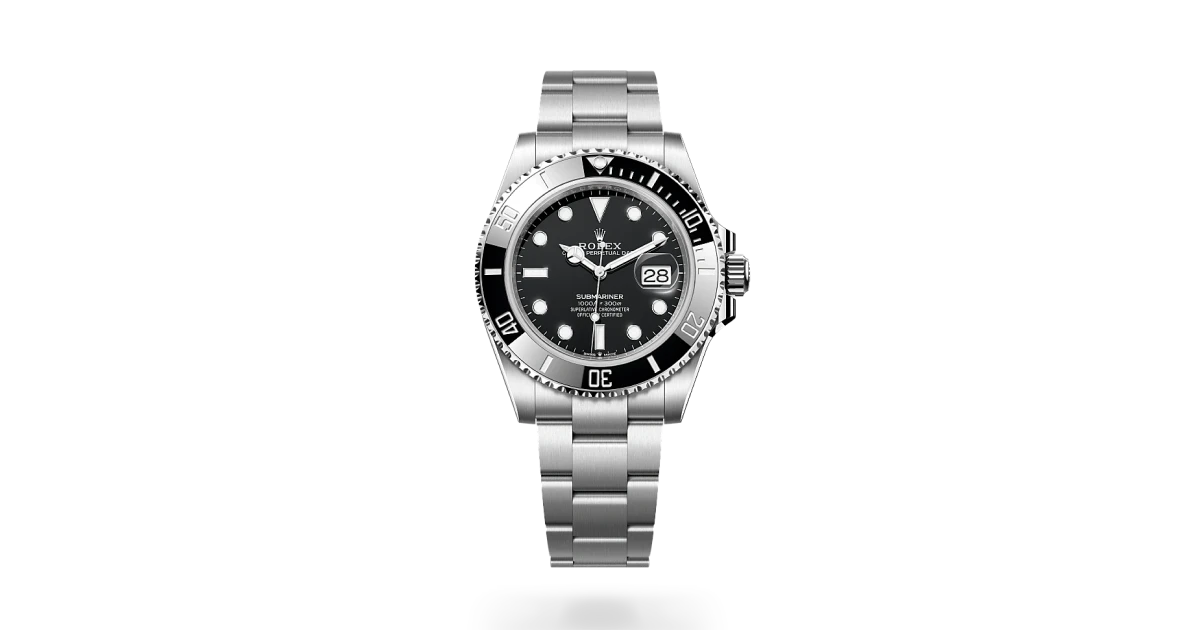
Its wearability is part of the investment case. Unlike some collector pieces that spend their lives in a safe, the Submariner is designed to be worn daily, which sustains its cultural relevance and keeps new buyers entering the market at every price tier.
Patek Philippe Nautilus Ref. 5711
Designed by Gérald Genta and introduced in 1976, the Nautilus changed the definition of what a luxury sports watch could be. The Ref. 5711, with its distinctive porthole-shaped case and integrated bracelet, became one of the most coveted watches in the world before Patek Philippe discontinued it, an event that sent secondary market prices soaring well past the AUD $50,000 retail tag to multiples above that figure.
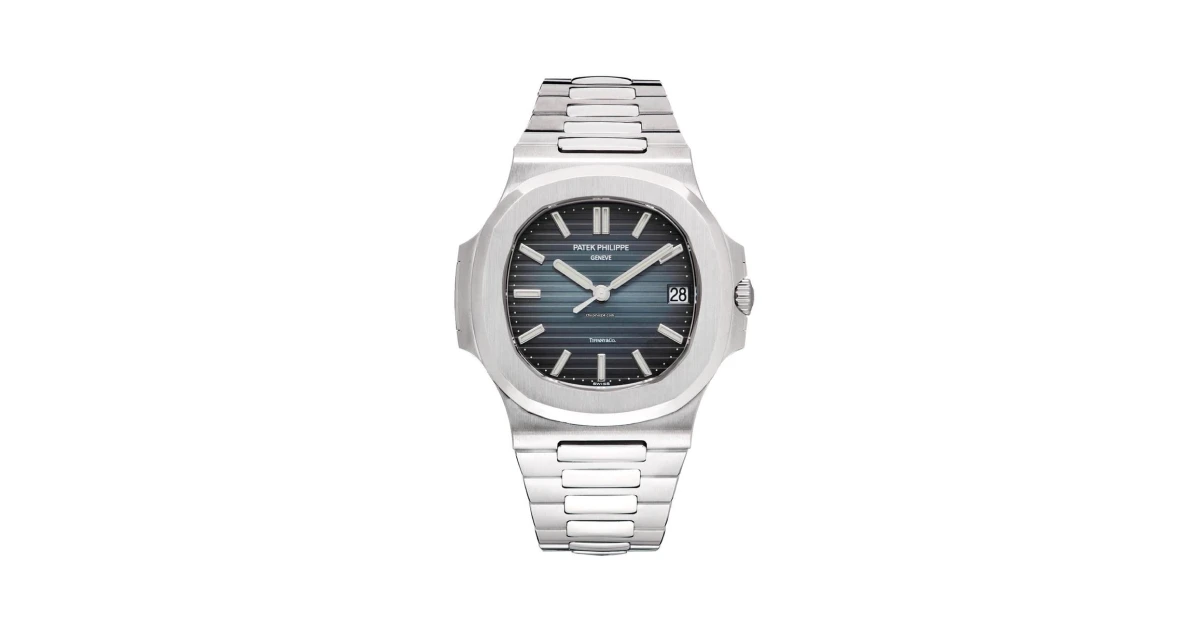
The Nautilus represents the upper tier of the resale value watches category. Its combination of design purity, technical excellence, and enforced scarcity makes it the kind of piece collectors hold generationally rather than flip quickly.
Audemars Piguet Royal Oak
Another Genta masterpiece, the Royal Oak debuted in 1972 as the world's first luxury stainless steel sports watch. What was once considered a provocative and divisive design is now one of the most imitated silhouettes in watchmaking. The "Jumbo" Extra-Thin Ref. 15202, in particular, has seen sustained appreciation, with pre-owned examples regularly trading at two to three times their retail price.
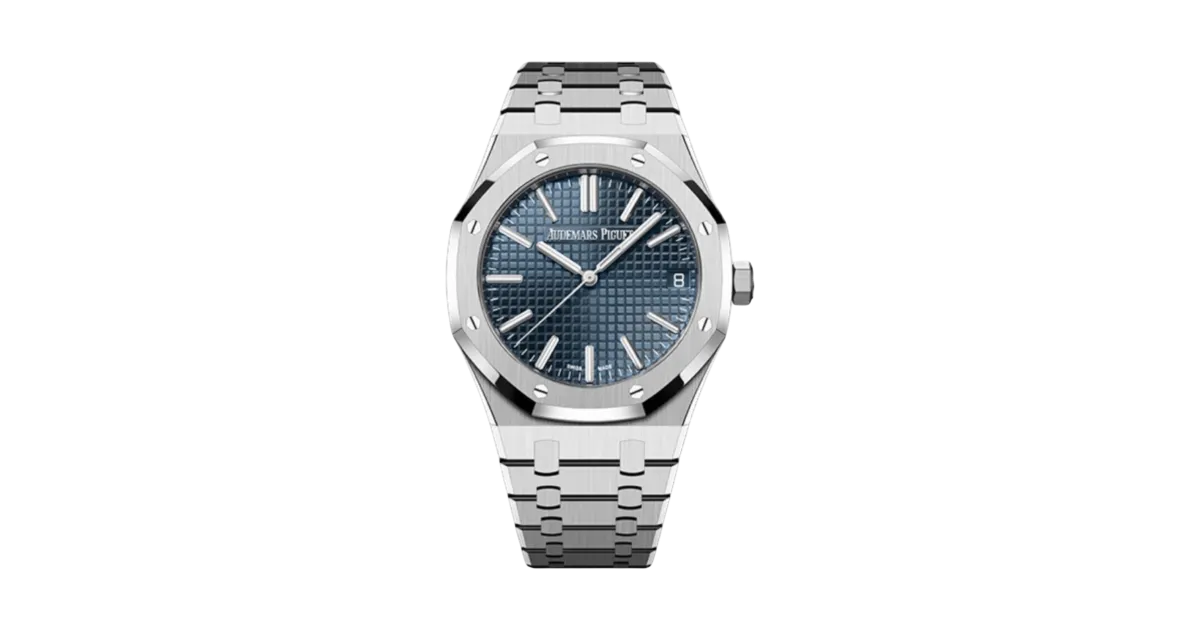
Audemars Piguet's boutique-only distribution strategy further restricts supply, ensuring that demand consistently outpaces availability in the secondary market.
Omega Speedmaster Professional
The Speedmaster has occupied a unique position in watch collecting since Buzz Aldrin wore it during the moon landing in 1969. That NASA association gives it a historical significance that most watches simply cannot match. The Moonwatch retails in Australia at a more accessible price point than its Rolex or Patek peers, making it an approachable entry into investment-grade collecting.
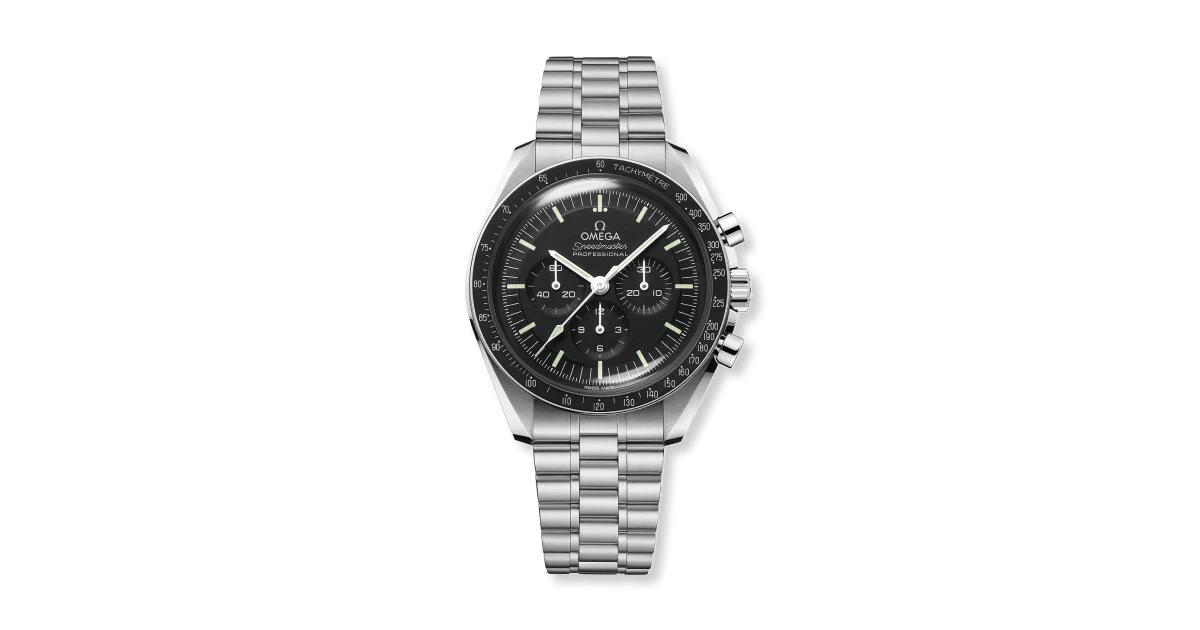
Vintage references with documented space history connections command exceptional premiums at auction, but even modern examples hold their value reliably, particularly when kept in complete and unserviced condition.
Tudor Black Bay 58
For collectors seeking a more accessible entry into watches that hold value, the Tudor Black Bay 58 makes a compelling case. Its vintage-inspired design draws directly from Tudor's iconic 1950s dive watch archive, while the brand's close relationship with Rolex lends it credibility that other entry-level luxury competitors cannot easily replicate.
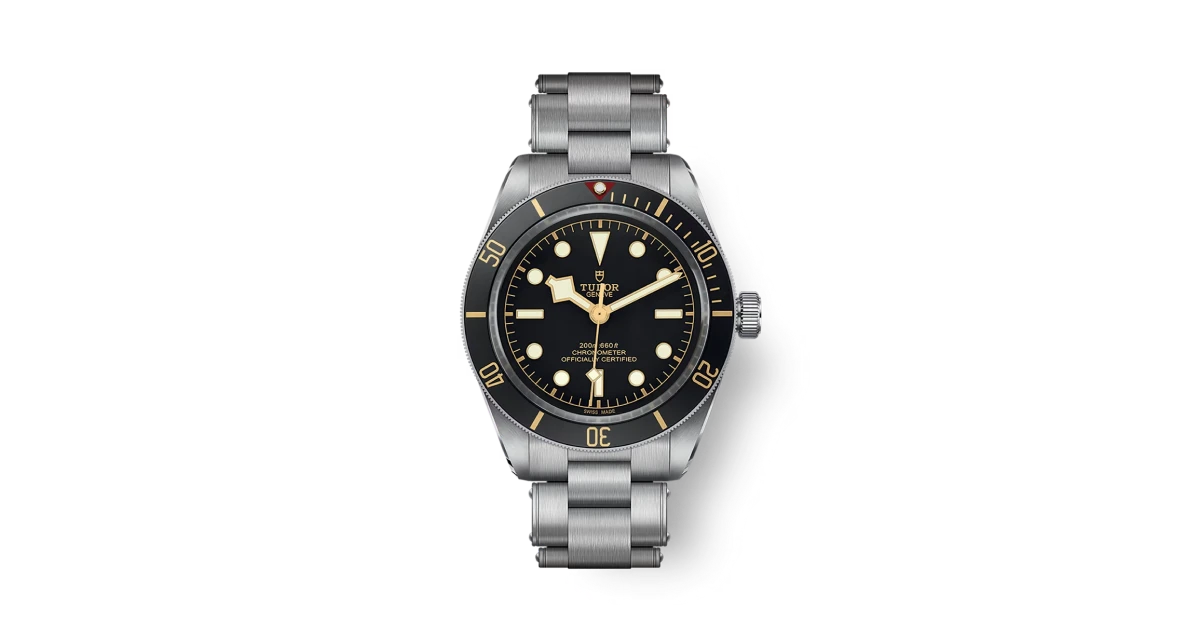
The Black Bay 58 has performed consistently in the secondary market since its introduction, with bronze and blue dial references attracting particular collector attention. It rewards patient buyers who hold for the medium to long term.
Buying Investment Watches in Australia: What You Need to Know
The Australian luxury watch market is growing steadily, with buyers in Sydney and Melbourne increasingly treating high-end timepieces as tangible alternative assets. Understanding how the local market works is essential before committing serious capital to a watch investment.
The Australian Buying Landscape
Authorised dealers (ADs) remain the gold standard for buying new investment-grade watches in Australia, offering manufacturer warranties and full provenance documentation. However, the most sought-after references from Rolex, Patek Philippe, and Audemars Piguet are frequently allocated rather than freely available, meaning waitlists are common for serious collectors.
The pre-owned and secondary market in Australia operates through licensed second-hand dealers rather than the open grey market found in markets like Hong Kong or the United States. Reputable pre-owned dealers in Australia must be licensed, which provides a layer of consumer protection, though it does mean the local market can sometimes price above what international platforms like Chrono24 offer.
Key Considerations for Australian Buyers
Navigating the local watch investment market smartly means keeping a few practical factors front of mind:
Buy with original box and papers. In Australia's pre-owned market, complete documentation makes a watch significantly easier to sell and commands higher prices from local buyers.
Factor in the AUD exchange rate. Watch prices in Australia are set in Australian dollars and reflect import costs, which means some models can be cheaper to source internationally when the AUD is performing well.
Use reputable platforms. Chrono24 operates in Australia and provides buyer protections for online purchases, while local auction houses occasionally surface rare and vintage pieces worth considering.
Insure your pieces. Several Australian insurers offer specialist luxury watch cover. Given the values involved, this is a non-negotiable step for any serious collector.
Think long-term. The Australian luxury watch market is forecast to grow consistently in the coming years, supported by wealth creation in mining, finance, and property sectors, meaning the fundamentals for patient investors remain solid.
Sydney's CBD and Melbourne's Collins Street precincts remain the primary hubs for authorised luxury watch boutiques in Australia, making them the logical starting points for anyone entering the market for the first time.


Premium Investment Picks
Investment Watches FAQs
Rolex, Patek Philippe, and Audemars Piguet consistently lead the secondary market for value retention. These three brands share a common formula: tightly controlled production, long-established reputations, and sustained global collector demand. Omega performs reliably at a more accessible price point, particularly the Speedmaster Professional. Within these brands, stainless steel sports models tend to outperform precious metal dress watches in the resale market, as collector demand concentrates on the most iconic references.
The right watches from the right brands absolutely can appreciate over time, but this is not guaranteed for every luxury timepiece. Models with limited production, discontinued references, or strong historical associations tend to perform best. The secondary market does go through cycles, and prices can soften during broader economic downturns or periods of oversupply. The key is selectivity. Buying iconic references from top-tier brands in complete, original condition and holding them for the long term gives you the best chance of genuine appreciation rather than a short-term flip.
Both approaches can work, though they carry different risk profiles. Buying new from an authorised dealer guarantees authenticity and full warranty, but popular models often sell at or above retail on the secondary market, meaning you may not gain immediate upside. Pre-owned watches can offer better entry prices, especially for discontinued references that are no longer available at retail. The most important factors are condition, originality, and documentation. A pre-owned watch in excellent condition with its original box and papers will almost always outperform one that is incomplete or has been heavily serviced.
Start with brand and reference selection, prioritising models with proven secondary market performance. In Australia, buying from a licensed dealer or authorised retailer provides important consumer protections. Always insist on original documentation, service history if applicable, and original box and papers. Factor in the cost of specialist watch insurance, which several Australian providers offer. Consider the AUD exchange rate when comparing local prices to international platforms. Finally, take a long-term view. Watch investments reward patience, and trying to time the market over short periods rarely produces the returns that a multi-year holding strategy can.
Protecting resale value starts with proper storage and careful handling. Keep your watch in its original box when not being worn, avoid exposure to harsh chemicals, and follow manufacturer service intervals without over-servicing. Never polish the case unless absolutely necessary, as original surfaces are prized by collectors. Retain all paperwork, including purchase receipts, warranty cards, and service records. Avoid aftermarket modifications or replacement parts, as originality is one of the most important factors buyers assess. Finally, insure the piece at its current market value and update that valuation regularly.